

Year 7
Invasions
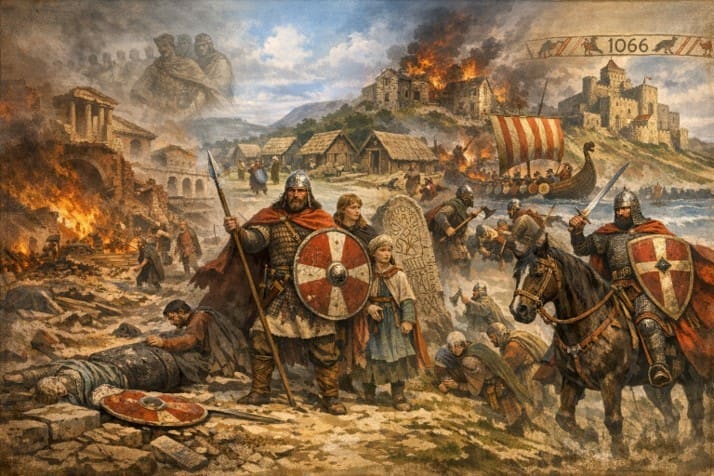
This unit examines how a series of invasions transformed England from the end of Roman rule to the Norman Conquest. Students explore who arrived, why they came, and how each group reshaped society, culture, language, and power structures. Through this study, pupils gain insight into how migration and conflict have continually influenced the development of England.
Read MoreNormans
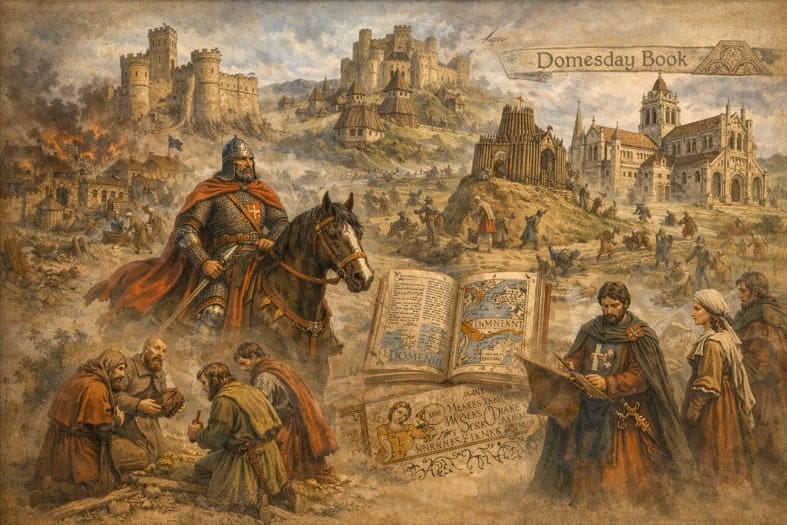
This unit explores the impact of the Norman Conquest and asks whether the Normans improved England or created significant disruption. Students investigate how William established control after 1066, how Norman rule reshaped society, and the extent to which these changes were welcomed or resisted. Through this enquiry, pupils evaluate the consequences of conquest and consider how power is gained, maintained, and challenged.
Read MoreMedieval World
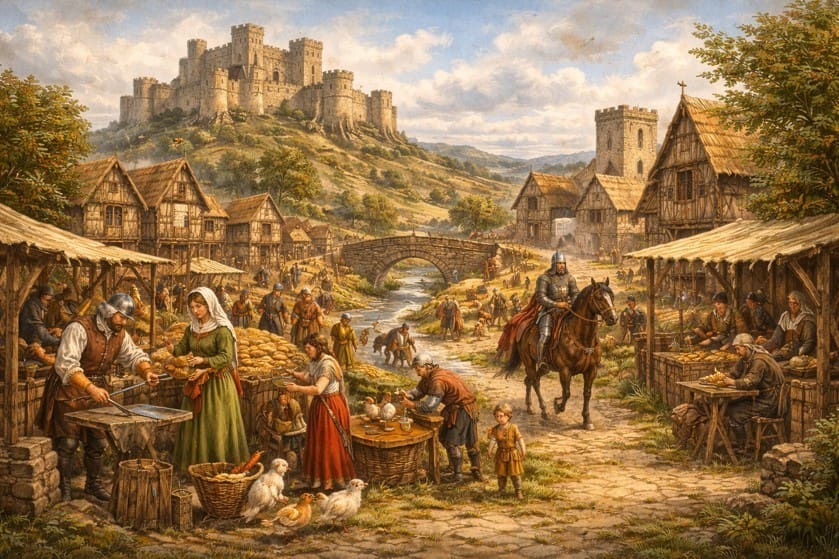
This unit introduces students to the rich variety of sources that help historians understand life in the medieval period. Pupils explore written accounts, artefacts, buildings, and visual evidence to uncover what they can tell us about medieval society. The enquiry encourages students to question reliability, recognise bias, and appreciate how evidence shapes our understanding of the past.
Read MoreTudors and Mughals
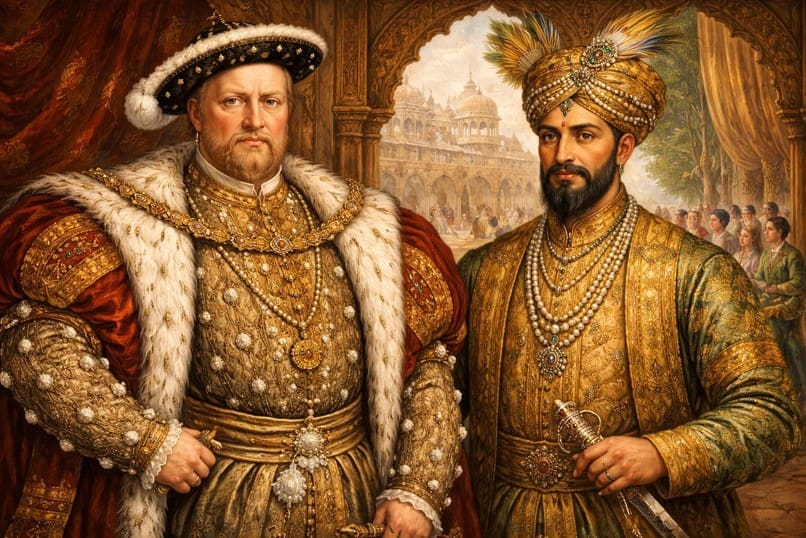
This unit compares two powerful early‑modern dynasties: the Mughals in South Asia and the Tudors in England. Students explore how each dynasty rose to power, how they governed, and how they shaped culture, religion, and society. By examining similarities and differences, pupils develop a broader understanding of global history and the diverse ways rulers exercised authority.
Read More17th Century England
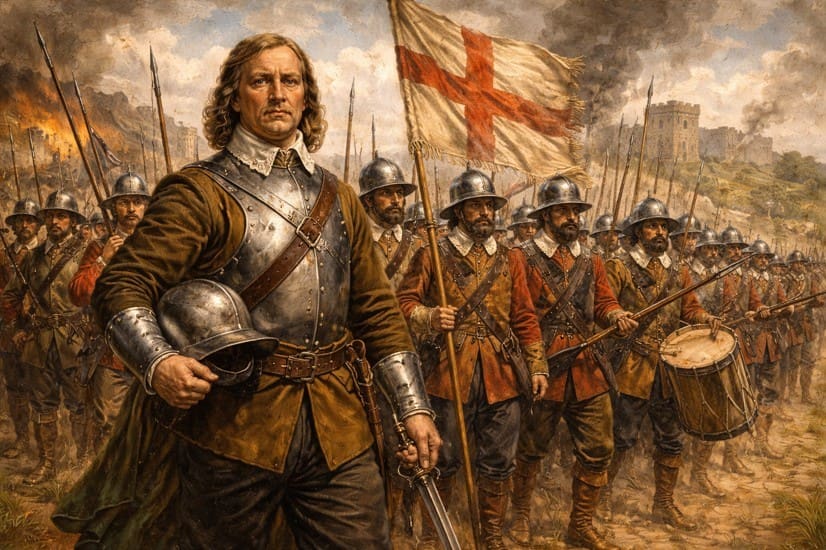
This unit explores one of the most turbulent centuries in English history. Students investigate the dramatic political, religious, and social upheavals that shaped the 1600s, including civil war, regicide, republican rule, restoration, and revolution. Through this enquiry, pupils consider whether the 17th century offered opportunity, danger, or both for those who attempted to rule England.
Read MoreYear 8
Pre-Colonial Africa
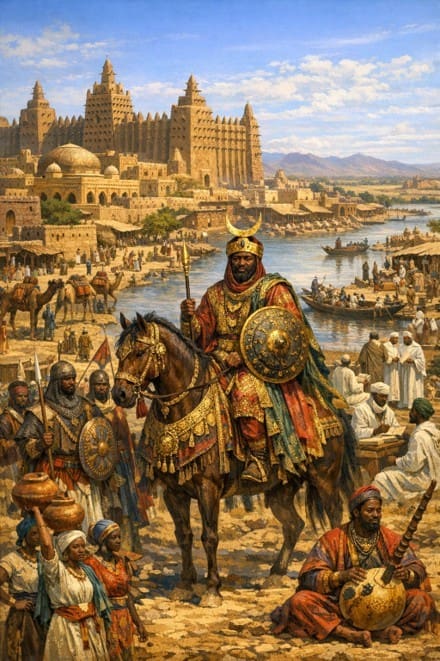
This unit challenges common misconceptions about Africa before European colonisation by exploring the strength and influence of major pre‑colonial African kingdoms. Students investigate political systems, trade networks, cultural achievements and military power across Africa. Through this enquiry, pupils gain a broader and more accurate understanding of Africa’s global significance before the 19th century.
Read MoreSlavery
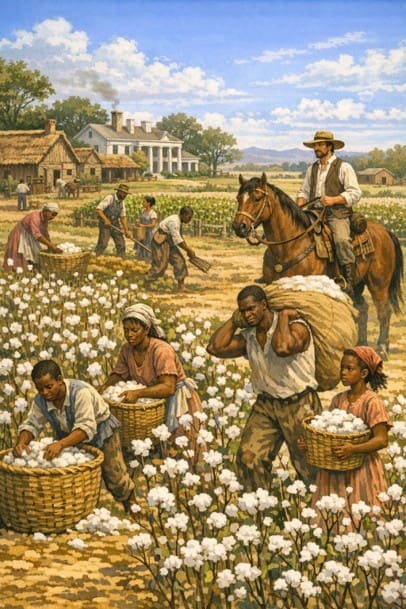
This unit explores the rise, expansion and eventual abolition of slavery within the British Empire. Students investigate how and why the transatlantic slave trade developed, the experiences of enslaved Africans, and the economic and political forces that sustained the system. They also examine the campaigns for abolition and the long‑term consequences of slavery, helping pupils understand one of the most significant and traumatic chapters in history.
Read MoreIndustrial Revolution
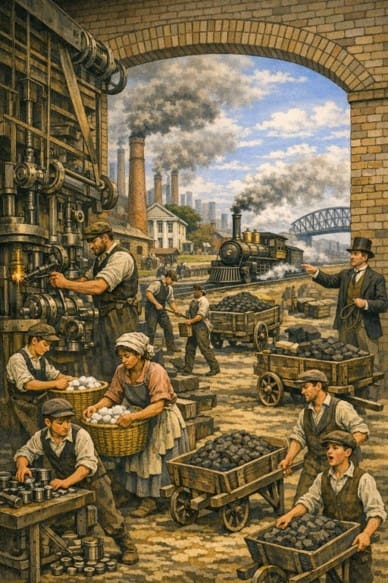
This unit explores the major forces that transformed Britain between the 18th and 20th centuries. Students examine how industrialisation, political reform and scientific innovation reshaped everyday life. By comparing these developments, pupils evaluate which changes had the greatest impact on people’s lives and how Britain evolved into a modern society.
Read MoreThe Forgotten Soldiers of WWI
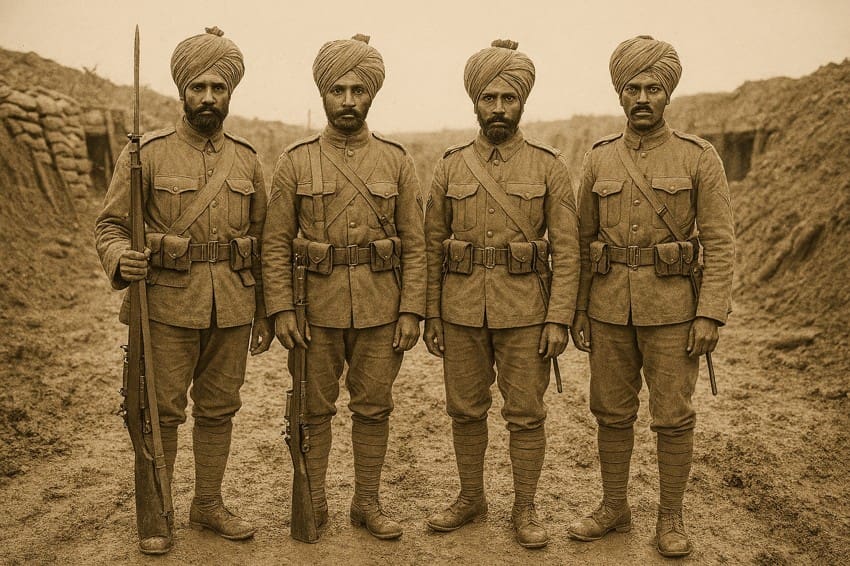
This unit explores whose stories are remembered, and whose are overlooked, in traditional accounts of the First World War. Students investigate the experiences of groups often left out of mainstream narratives, including soldiers from across the British Empire, women, conscientious objectors, and labourers on the home and fighting fronts. Through this enquiry, pupils consider how history is constructed and debate whether a fuller, more inclusive story of the war should be taught in schools.
Read MoreTurning Points of WWII
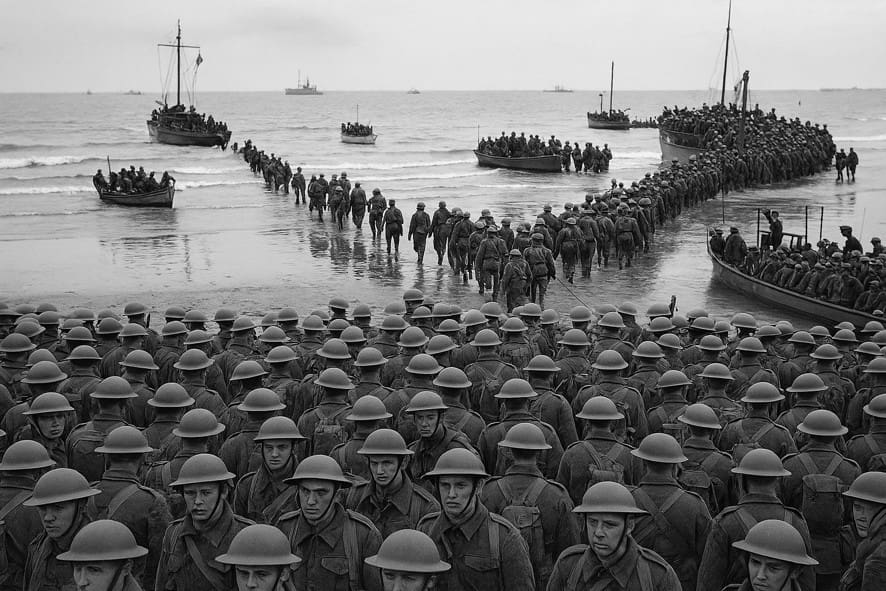
In the first half of this unit, pupils will examine the key events of the Second World War, including the Battle of Britain, Operation Barbarossa, the Pearl Harbour attack and D-Day, before coming to an informed decision as to when it became much more likely that Germany would lose the war to the Allies. In the latter half of the unit, pupils will use historical sources to find out about the impact of the Holocaust on Jewish lives. This will range from pre-Holocaust Jewish culture, and take pupils through the varying attempts by the Nazis to destroy Jewishness.
Read MoreYear 9
The Holocaust
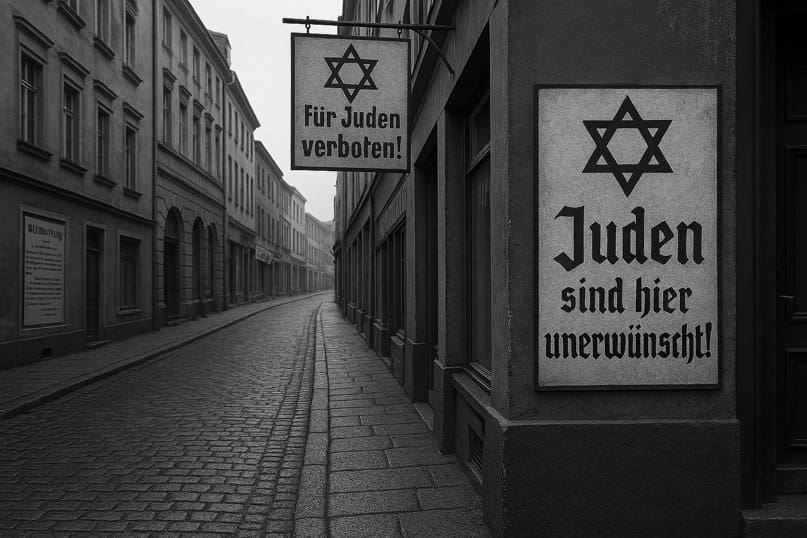
This unit explores what a wide range of historical sources can reveal about the Holocaust: the systematic persecution and murder of six million Jewish people and millions of others by Nazi Germany. Students examine diaries, photographs, official documents and propaganda to understand how the genocide was planned, implemented and experienced.
Read MoreCold War
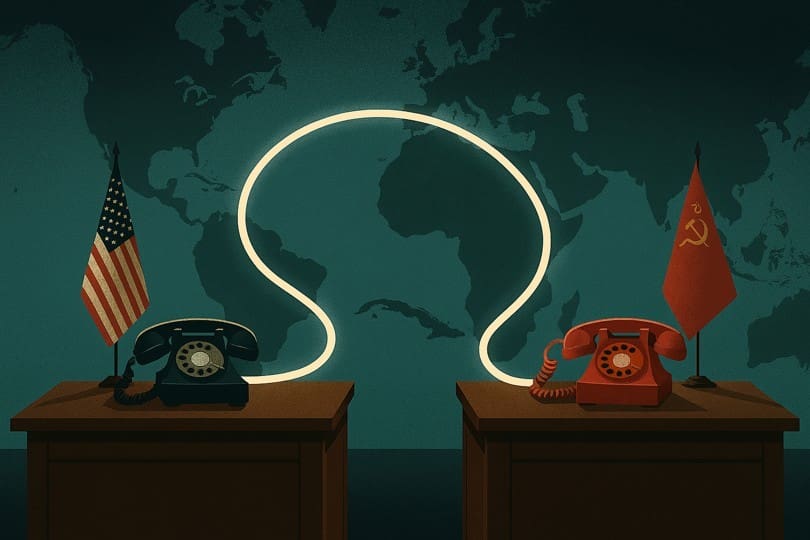
This unit investigates how historians use a wide range of sources to understand the tensions, conflicts, and global rivalries of the Cold War. Students explore political speeches, propaganda, photographs, government documents, and personal accounts to uncover how the superpowers presented themselves, how they viewed each other, and how ordinary people experienced life in a divided world. Through this enquiry, pupils examine both the possibilities and limitations of Cold War evidence.
Read MoreTerrorism

This unit explores the complex political, social, and ideological factors that contributed to the rise of terrorism during the 20th century. Students investigate a range of case studies — from nationalist movements to ideological extremism and state‑sponsored violence — to understand why terrorism became a significant global issue. Through this enquiry, pupils evaluate whether one cause was more influential than others or whether terrorism emerged from a combination of long‑term tensions and short‑term triggers.
Read MoreFight for Rights
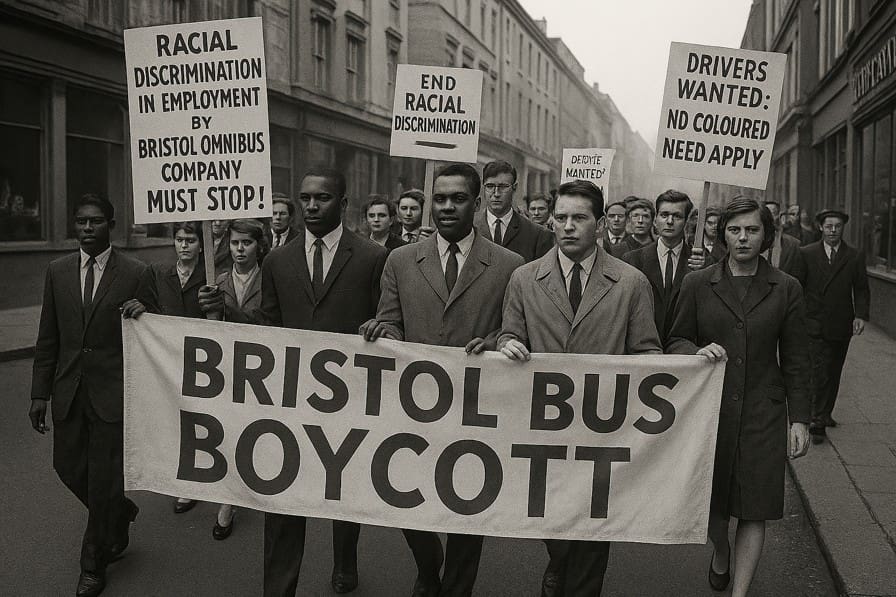
This unit explores the development of human rights campaigns in Western countries after 1945. Students examine the context of post‑war Britain and USA, the influence of the Universal Declaration of Human Rights, and the rise of social movements that challenged discrimination, inequality and state power. Through this enquiry, pupils compare different campaigns and evaluate what made them distinctive, or similar to, other movements around the world.
Read MoreGCSE: Conflict and Tension I
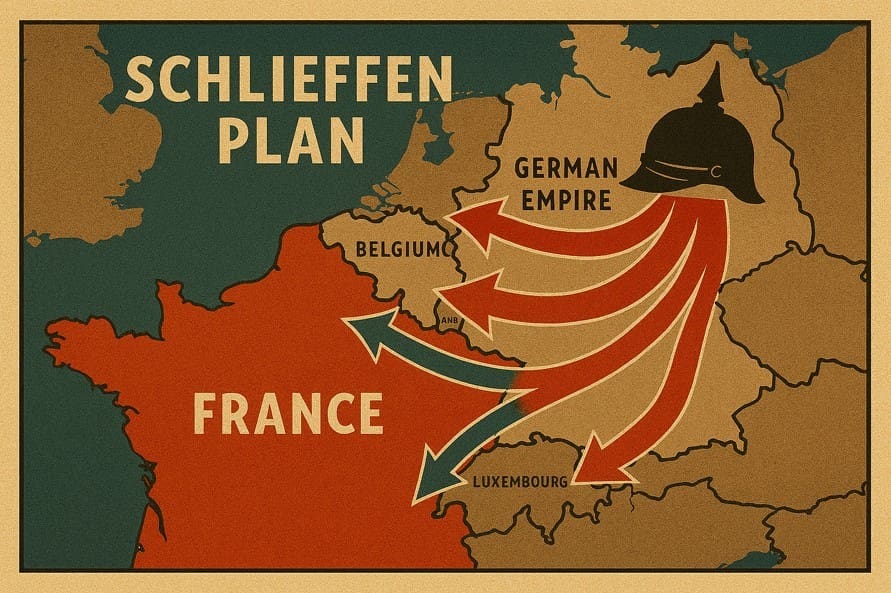
This unit examines the long‑term tensions and short‑term crises that destabilised Europe in the decades before 1914. Students explore how the complex web of alliances, militarism, imperialism and nationalism contributed to the outbreak of the First World War. Through this enquiry, pupils evaluate whether one factor was more significant than the others or whether war resulted from the interaction between multiple pressures.
Read MoreYear 10
GCSE: Conflict and Tension II
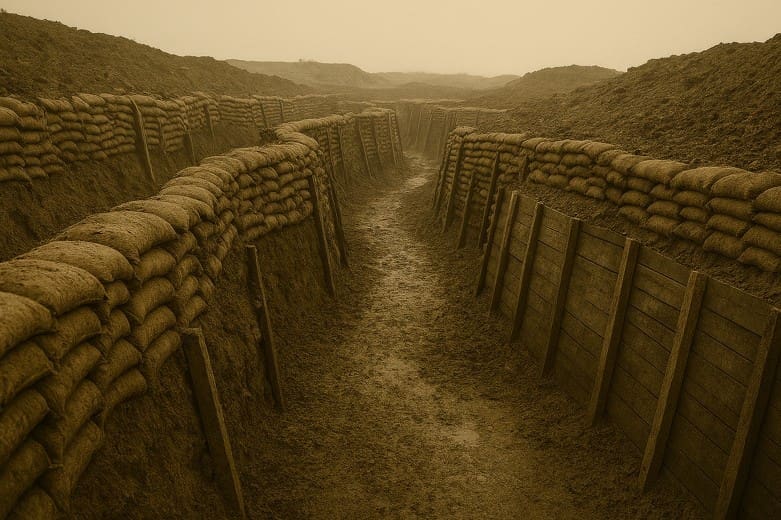
This unit examines how the First World War developed into a brutal war of attrition. Students analyse trench warfare, new military technologies and the strategies used by both sides to wear down the enemy. They also investigate how the war extended far beyond the Western Front.
Read MoreGCSE: Conflict and Tension III
This unit examines the final phase of the First World War and evaluates the significance of the United States entering the conflict in 1917. Students explore the military, economic and psychological impact of American involvement, alongside other key developments such as the German Spring Offensive, the Allied Hundred Days Offensive and the collapse of Germany’s allies. Through this enquiry, pupils assess whether America’s entry was the decisive turning point or one factor among many that brought the war to an end.
Read MoreGCSE: Germany I
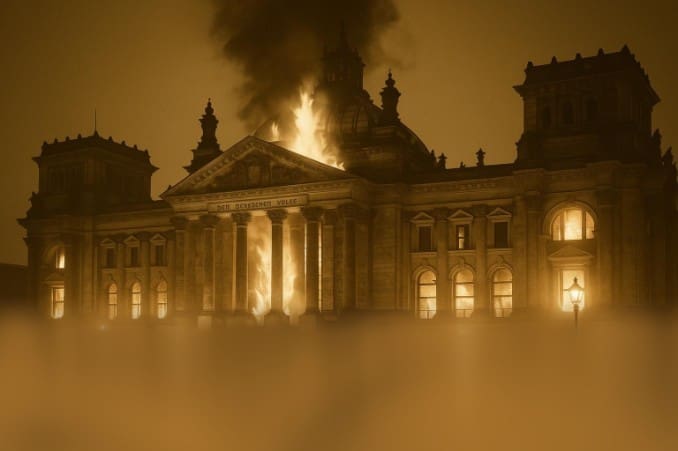
This unit explores how the First World War transformed life inside Germany and created the conditions that led to political upheaval in the new Weimar Republic. Students investigate political uprisings, economic crises, and social unrest to understand why the new Weimar Republic struggled to establish democracy. Through this enquiry, pupils assess how far these early difficulties threatened the survival of the Weimar Republic and shaped Germany’s political landscape up to 1923.
Read MoreGCSE: Germany II
This unit explores how the Great Depression transformed German politics, society and government between 1928 and 1933. Students examine how economic collapse fuelled support for extremist parties, undermined confidence in democracy, and enabled Hitler’s rise to power. Through this enquiry, pupils assess how far the Depression was responsible for the collapse of the Weimar Republic and the establishment of a Nazi dictatorship.
Read MoreGCSE: Germany III
This unit explores the methods used by the Nazi regime to maintain control over Germany between 1933 and 1945. Students examine how the Nazis combined terror, propaganda and social policies to create a totalitarian state. Through this enquiry, pupils assess how effectively the regime controlled everyday life.
Read MoreGCSE: Migration I
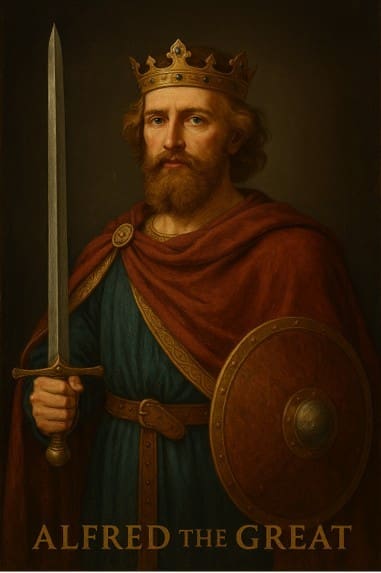
This thematic study will enable students to gain an understanding of how the identity of the people of Britain has been shaped by their interaction with the wider world. It will consider invasions and conquests. It will also study the country's relationship with Europe and the wider world. It will consider the flow of people into and out of Britain and evaluate their motives and achievements. It considers the causes, impact and legacy of Empire upon the ruled and the ruling in the context of Britain’s acquisition and retreat from Empire.
Students will study the importance of the following factors as they influenced Britain’s dealings with the wider world:
war
religion
government
economic resources
science and technology
ideas such as imperialism, social Darwinism and civilisation
the role of individuals.
GCSE: Migration II
This part of the thematic study explores Britain’s expanding connections with the Atlantic world between the 16th and 18th centuries. Students examine how exploration, colonisation, trade and exploitation shaped Britain’s growing influence in the Caribbean and North America. They also investigate how migration transformed societies on both sides of the Atlantic. Through this enquiry, pupils assess the motives behind expansion, the consequences for indigenous peoples and enslaved Africans and the long‑term impact on Britain’s economy, culture and identity.
Read MoreYear 11
GCSE: Migration III
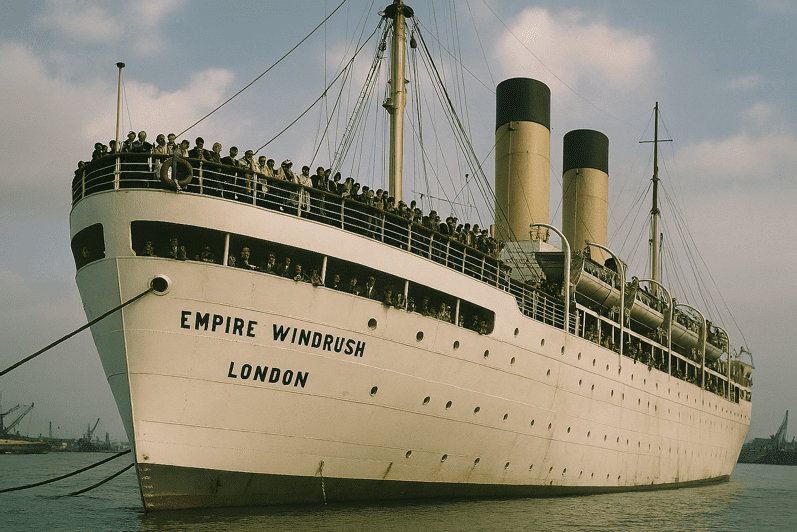
This part of the thematic study examines Britain’s expanding imperial power in India and Africa during the 18th and 19th centuries. Students explore how trade, warfare, political ambition, and ideology drove expansion, and how empire reshaped societies both in Britain and across the world. They also investigate major patterns of migration linked to empire, including forced, voluntary, and economic movement. Through this enquiry, pupils assess the causes, impact, and legacy of British imperialism during this period.
Read MoreGCSE: Migration IV
This part of the thematic study explores how Britain’s global role changed dramatically during the 20th Century. Students examine the decline of empire, the rise of independence movements and the emergence of new patterns of migration that reshaped British society. They also investigate Britain’s evolving relationship with Europe, from post‑war reconstruction to membership of the European Union. Through this enquiry, pupils assess how war, nationalism and decolonisation transformed Britain’s identity and its place in the world.
Read MoreNormans I
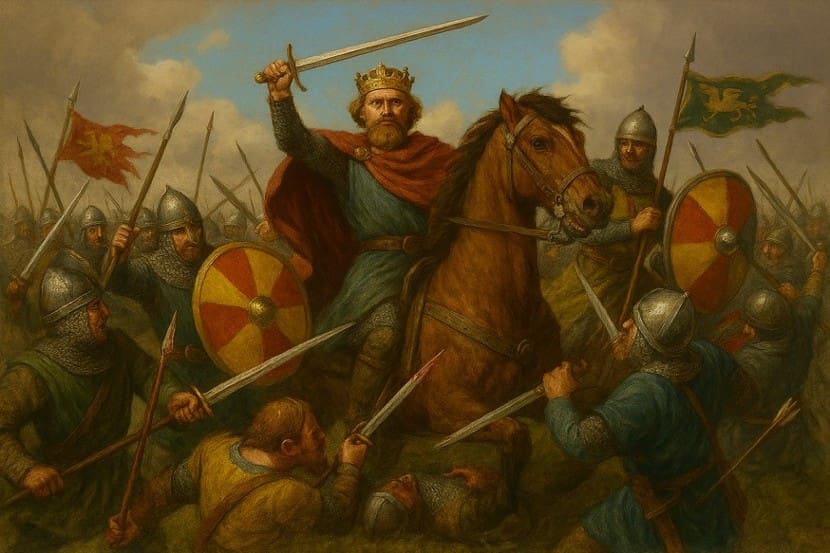
This depth study explores the dramatic arrival of the Normans in 1066 and the establishment of their rule over England. Students examine the causes of the Norman Conquest, the military events that shaped it and the methods William and his successors used to secure control.
Read MoreNormans II
This unit explores how life in England changed after the Norman Conquest. Students examine how the Normans reshaped government, society and landholding. Through this enquiry, pupils assess the extent of continuity and change between Anglo‑Saxon and Norman England and consider how far Norman rule transformed English life.
Read MoreNormans III - IV
This unit explores how the Normans transformed the English Church and reshaped religious life. Students examine reforms to Church organisation, the building of great cathedrals and monasteries and the changing relationship between Church and state. Through this enquiry, pupils assess how far the Normans used religion to strengthen their authority and how monasticism contributed to learning and culture.
Read More